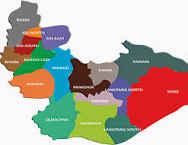
The persistent security challenges in Nigeria particularly in vulnerable regions like Plateau State have underscored the urgent need for innovative, technology-driven approaches to safeguarding lives and property. While ground security personnel remain indispensable, their effectiveness can be significantly enhanced by integrating aerial surveillance systems popularly referred to as the “eye in the sky.”
This approach leverages drones, satellites, and other airborne monitoring tools to provide real-time intelligence, early warning signals, and strategic coordination, thereby creating a more robust and responsive security architecture.
The Limitations of Ground-Based Security.
Security agencies in Plateau State, including the military, police, and community vigilante groups, have demonstrated commitment in addressing threats such as banditry, and terrorist incursions. However, ground forces face several constraints:
- Limited visibility in difficult terrains such as hills, forests, and remote settlements
- Delayed response time due to poor road networks
- Exposure to ambushes without prior intelligence
- Inadequate manpower to cover vast rural areas
These challenges highlight the need for a force multiplier something that can see beyond physical barriers and provide actionable intelligence before threats materialize. What “Eye in the Sky” Means.
The “eye in the sky” concept refers to the deployment of aerial surveillance technologies such as:
- Unmanned Aerial Vehicles (UAVs)/Drones
- Helicopter patrols with imaging systems
- Satellite imaging and geospatial intelligence
- Thermal and night-vision cameras
These tools provide a bird’s-eye view of large areas, enabling security agencies to monitor movements, detect suspicious activities, and respond proactively. Strategic Benefits for Plateau State.
- Early Warning and Threat Detection
Aerial surveillance can identify unusual gatherings, movement of armed groups, or encroachment into vulnerable communities. This allows security forces to act before violence erupts. - Real-Time Intelligence Gathering
Drones equipped with live-feed cameras can transmit information instantly to command centers, enabling coordinated responses and informed decision-making. - Terrain Advantage
Plateau State’s rugged topography, characterized by mountains and valleys, makes it ideal for aerial monitoring. Drones can easily access areas that are otherwise unreachable by ground patrols. - Protection of Agricultural Communities
Farmers, who are often targets of attacks, can benefit from routine aerial patrols during planting and harvesting seasons, reducing vulnerability and boosting confidence. - Support During Emergencies
In the event of attacks or disasters, aerial systems can assist in search-and-rescue operations, casualty assessment, and evacuation planning.
Integrating Air and Ground Operations.
For maximum effectiveness, the “eye in the sky” must not operate in isolation. Instead, it should be integrated into a unified security framework:
- Command and Control Centers: Establish central hubs where aerial data is analyzed and shared with ground units.
- Rapid Response Teams: Deploy mobile units that can act immediately on intelligence received from aerial surveillance.
- Community Intelligence Networks: Combine local knowledge with aerial data to improve accuracy and trust.
- Inter-Agency Collaboration: Ensure seamless communication between the military, police, DSS, and civil defense.
Addressing Challenges
While promising, this approach comes with its own challenges:
- Cost of acquisition and maintenance of drones and surveillance systems
- Technical expertise required for operation and data analysis
- Privacy and civil liberty concerns
- Risk of misuse or poor coordination
To mitigate these, the government should invest in training, establish clear operational guidelines, and engage communities to build trust and transparency.
The Way Forward
Securing Plateau State requires a shift from reactive to proactive security strategies. The integration of aerial surveillance with traditional ground operations offers a powerful solution. By adopting the “eye in the sky” approach, the state can:
- Anticipate threats before they escalate
- Reduce casualties and property loss
- Strengthen public confidence in security institutions
- Create a safer environment for economic and social activities. Conclusion
The security of Plateau State cannot rely solely on boots on the ground. In an era where threats are increasingly sophisticated and unpredictable, embracing technology is no longer optional it is essential. The “eye in the sky” provides the visibility, speed, and intelligence needed to complement ground forces and secure the state effectively.
A safer Plateau is achievable when innovation meets commitment.
Nenfort Clifford Gonchen
Jos-01-04-2026
About The Author





More Stories
PLATEAU GOVT CONDEMNS ATTACK ON TRADERS RETURNING FROM KARA MARKET, ORDERS PROBE
Plateau: BYM Demands Revocation of Mining Lease.
Plateau Attacks: NBA Demands Action, Urges Citizens to Report Rights Abuses