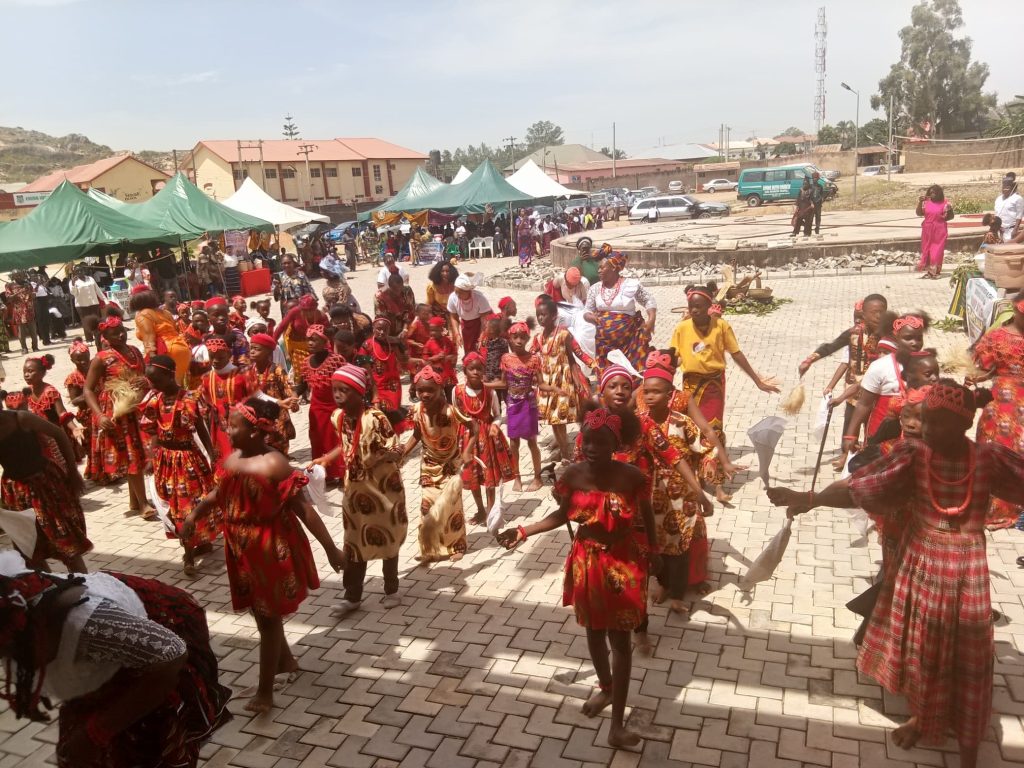
Kingdom Heritage Model School, Bukuru, Plateau State, has called on parents to teach their children indigenous languages and cultural values to preserve Nigeria’s diverse cultural heritage for future generations.
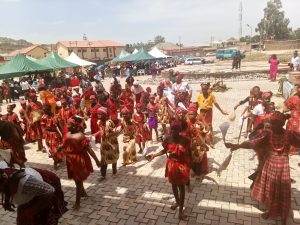
The Head Teacher of the school, Deaconess Rosemary Okolo made the call during the school’s Cultural Day celebration on Wednesday, which brought together pupils, parents, teachers and guests to showcase the rich cultural traditions of different ethnic groups across Nigeria.
Speaking on the significance of the celebration, the Head Teacher said the school was committed to providing education beyond classroom instruction by teaching pupils to appreciate their cultural backgrounds and respect the traditions of others.
According to the Head Teacher, the school aims to raise children who are not only academically sound but also knowledgeable about their roots and capable of appreciating the cultural differences that make Nigeria unique.
“We are not just here to impart knowledge. We are also here to teach children how to know their culture, respect other people’s cultures and speak their languages, not just English,” the Head Teacher said.
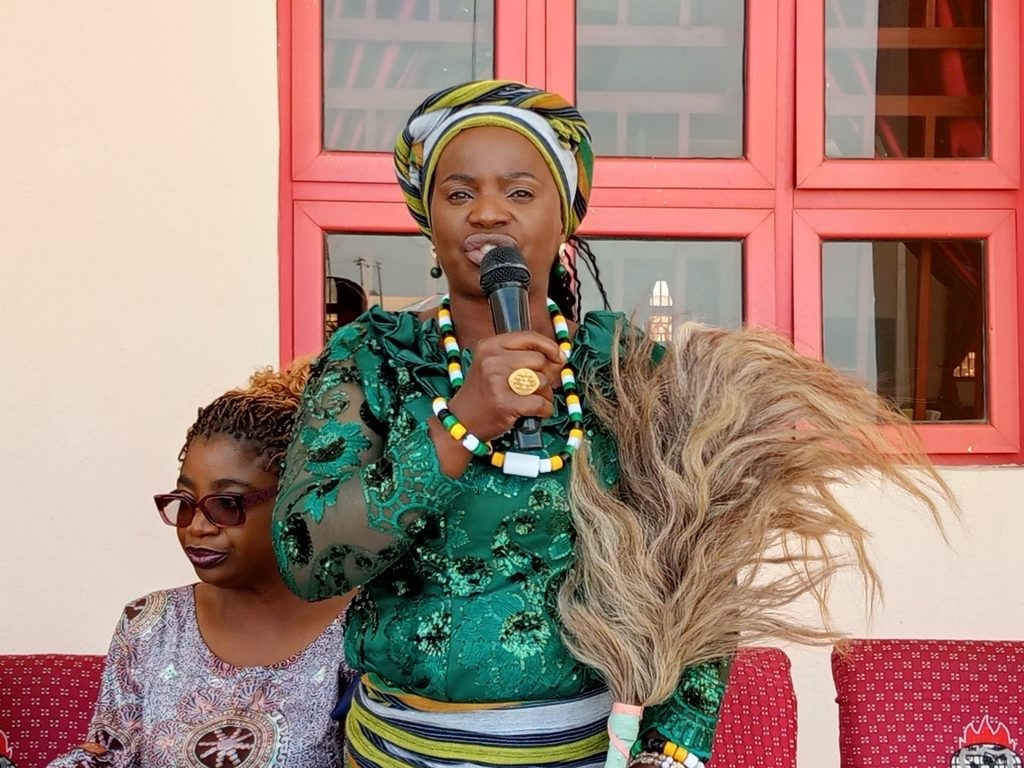
She urged parents to complement the school’s efforts by speaking indigenous languages with their children at home rather than concentrating exclusively on English.
The Head Teacher noted that preserving indigenous languages and traditions was essential to ensuring that younger generations remained connected to their cultural identities.
The Chairman, Local School Board LSB, Prof. Sunday Mlanga appreciated the school for the preservation of the cultural heritage of the pupils and urged the pupils to take home the lessons of the day.
A Culture promoter and Chief Executive Officer of Ngasrit Global Concept Entertainment Plus, Mr. Rotdung Gobum called for increased efforts to promote and preserve indigenous cultures and languages across Nigeria.
Gobum, whose organisation focuses on cultural promotion and heritage preservation among different ethnic groups, warned that many indigenous languages and cultural practices were gradually disappearing under the influence of Westernisation.
He said cultural awareness programmes in schools could help children understand their origins and appreciate the importance of preserving their heritage.
According to him, communities must take responsibility for protecting their cultural identities rather than allowing their traditions to disappear without efforts to preserve them.
“No one will sell your culture for you more than you yourself,” he said, urging individuals and communities to take ownership of cultural preservation.
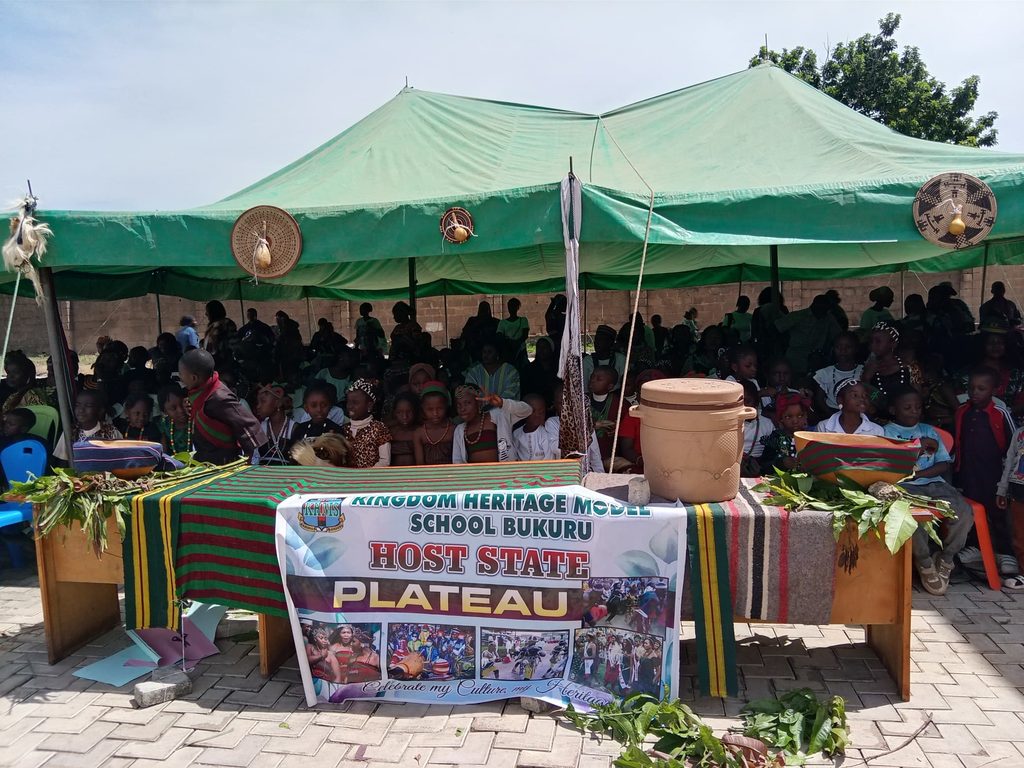
Gobum further explained that initiatives such as Cultural Day celebrations provided opportunities to educate younger generations about their indigenous languages, traditional practices and cultural values.
He stressed that preserving cultural heritage was necessary to ensure that future generations could understand and appreciate the traditions handed down by their ancestors.
Some pupils who participated in the celebration expressed excitement about the opportunity to represent their respective ethnic groups and introduce their traditions to other pupils.
One of the pupils, Tesla Emmanuel, from Adamawa State, who identified as a member of the Marghi ethnic group, said she was happy to represent her tribe and demonstrate its cultural practices through traditional dances and food.
The pupil explained that showcasing their traditions helped others understand their cultural identity and appreciate the diversity of Nigerian communities.
A parent, Hannah Beatrice Bewarang, described the celebration as an important extracurricular activity that allowed children to learn beyond the classroom while enjoying themselves.
Bewarang said she was excited to witness the event, noting that cultural celebrations helped children understand that despite their ethnic and cultural differences, they remained one people.
She expressed hope that the school would sustain the initiative, which she said had become an anticipated activity for pupils during the first term.
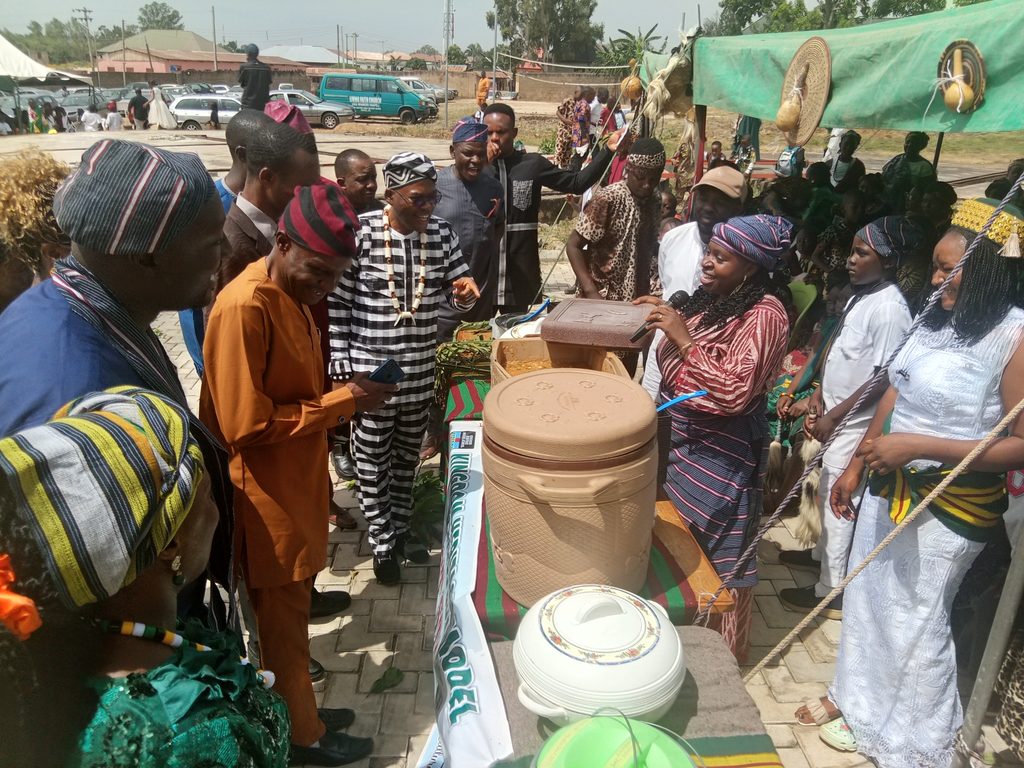
Another participant, Florence Akinlola, said the celebration brought together people from different parts of the country and demonstrated that Nigerians could live together in unity despite their diverse cultural backgrounds.
She added that the event had shown that people could appreciate one another’s traditions even when they were far away from their states of origin.
Also speaking, Janet Gabriel, who represented the Igala ethnic group from Kogi State, expressed happiness at the opportunity to showcase her people’s culture and traditions.
The celebration ended with renewed calls for parents, schools and communities to work together to preserve Nigeria’s cultural diversity, promote mutual respect and strengthen national unity.
The participants maintained that while Western education remained important, it should not come at the expense of indigenous languages, cultural identity and traditional values.
Through the annual celebration, Kingdom Heritage Model School, Bukuru, seeks to instil in pupils a sense of pride in their heritage while encouraging respect for other cultures and peaceful coexistence among Nigerians.
The event featured colourful traditional attires, cultural dances, competition of the Lord’s Prayer in their local dialect, indigenous foods and presentations reflecting the identities and heritage of various ethnic groups in the country.
About The Author

More Stories
KKU to Establish Medicine, Law Faculties, Partners Lightbearer Newspaper
UNIJOS Pledges Support for Karl Kumm University
APIN Centre Strategic to Global Health Research, Capacity Building — VC KKU