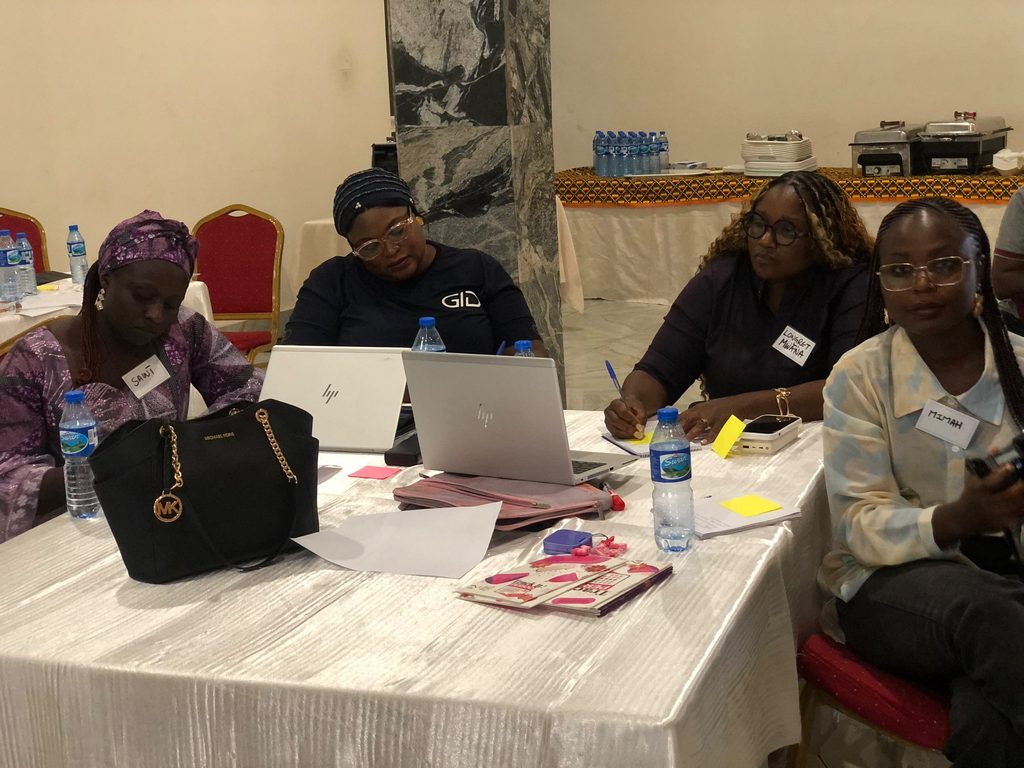
Population Services International (PSI), Nigeria has commended Civil Society Organisations (CSOs) partners for their contributions to the successful implementation of the Nigeria Economic Empowerment and Menstrual Health (NEEMH) Project in Plateau State.
The commendation was made during a review and reflection meeting organised by PSI-Nigeria for CSOs, government representatives, donors and other stakeholders involved in the implementation of the project in the State.
The meeting held at Crispan Hotel in Jos, provided an opportunity for stakeholders to review the achievements, challenges and lessons learned from the project, as well as discuss strategies for sustainability and possible scale-up beyond the pilot phase.
Grace Ayo-Jatto, Monitoring, Learning and Research Manager, PSI-Nigeria, said the meeting was designed to examine the project’s implementation, identify what worked and what needed improvement, and use the lessons to guide decisions during the remaining period of the programme.
According to her, the NEEMH project has been implemented across six Local Government Areas of Plateau State, with actual implementation commencing in March after months of sensitisation, mobilisation, stakeholder engagement, training and assessment of existing structures.
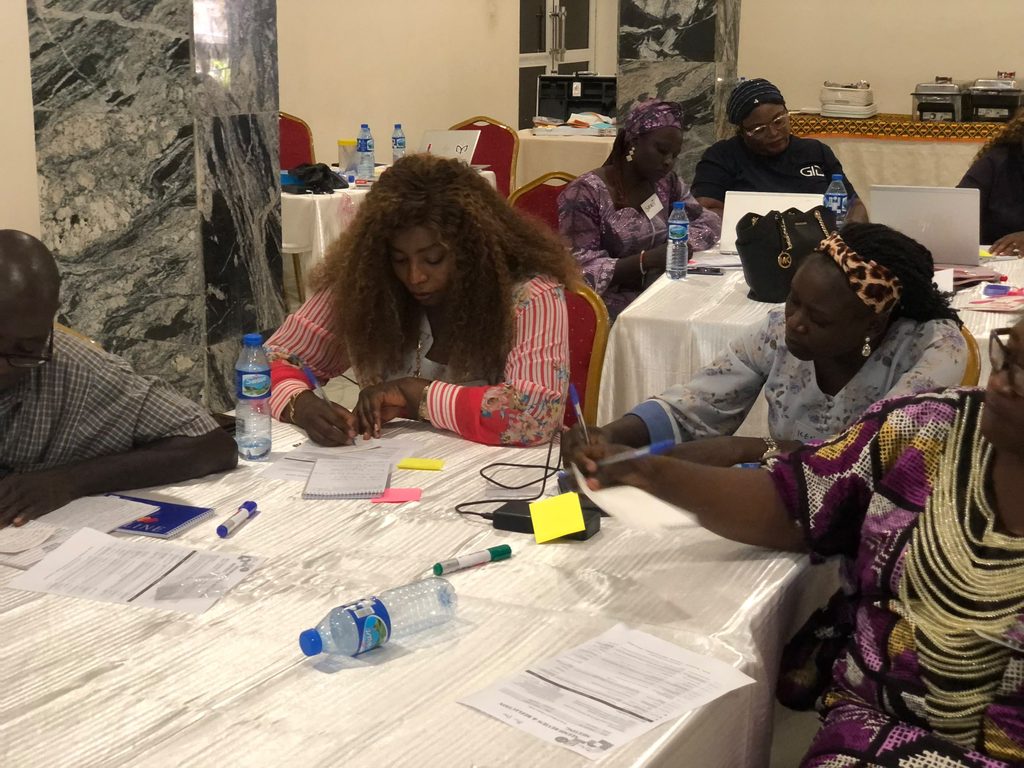
Ayo-Jatto described the project as a pilot designed to test approaches that could subsequently be scaled up, informing future programmes, government policies and interventions by development partners and donors.
She said the CSOs had recorded significant achievements, including mobilising women into collectives, supporting businesses, promoting climate-friendly agriculture, strengthening conflict resolution and transformation mechanisms, and empowering women economically.
The PSI-Nigeria official also commended the Plateau State Government and other stakeholders for their cooperation, noting that government agencies had supported the project through measures including facilitating cooperative registration and participating in field activities.
She explained that sustainability was incorporated into the design of the project through the creation of linkages among government agencies, community leaders, religious leaders, CSOs, women collectives and other relevant stakeholders.
Ayo-Jatto added that the CSOs had also been equipped with knowledge and skills that would enable them to seek other grants and partnerships and continue supporting communities after the closure of the NEEMH pilot project.
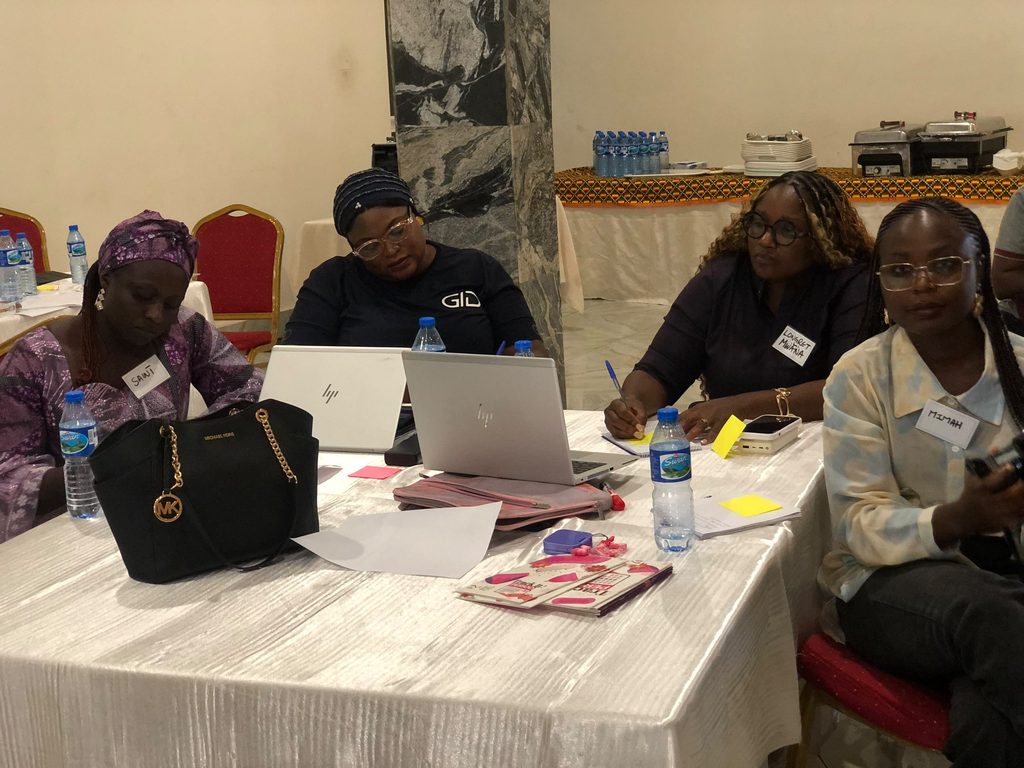
Speaking on the impact of the project, Longret Mwanan, Project Manager, Women and Girl Child Rescue and Development Initiative (WGCRDI), said the intervention adopted a gender-transformative approach by involving men as menstrual health champions alongside women and girls.
She said women collectives in Bassa and Riyom Local Government Areas had been supported with livelihood opportunities through linkages with Highland Microfinance Bank. While beneficiaries were trained in farming, production of reusable menstrual pads and trading in menstrual hygiene products.
Mwanan said the project had also linked beneficiaries with the Plateau State Ministry of Commerce and Plateau State Agricultural Development Board (PADP), providing opportunities for technical support, access to markets and other government interventions.
She, however, identified insecurity and low financial literacy as some of the challenges affecting implementation in some communities. She lamented that insecurity sometimes disrupts planned activities while some beneficiaries initially lacked basic knowledge of bookkeeping, profit and loss calculations and business management.
Also speaking, Auwal Mohammed of Integrated Community Development Initiative of Nigeria (ICDI Nigeria), a PSI partner implementing the project in Wase and Shendam Local Government Areas, said the intervention had improved financial literacy, entrepreneurship skills and menstrual health awareness among beneficiaries.
Mohammed said women beneficiaries were now better able to separate business capital from personal income, keep basic financial records and make informed decisions about their spending. He further stated that men in some communities have also become advocates for menstrual health and are supporting women and girls during menstruation.
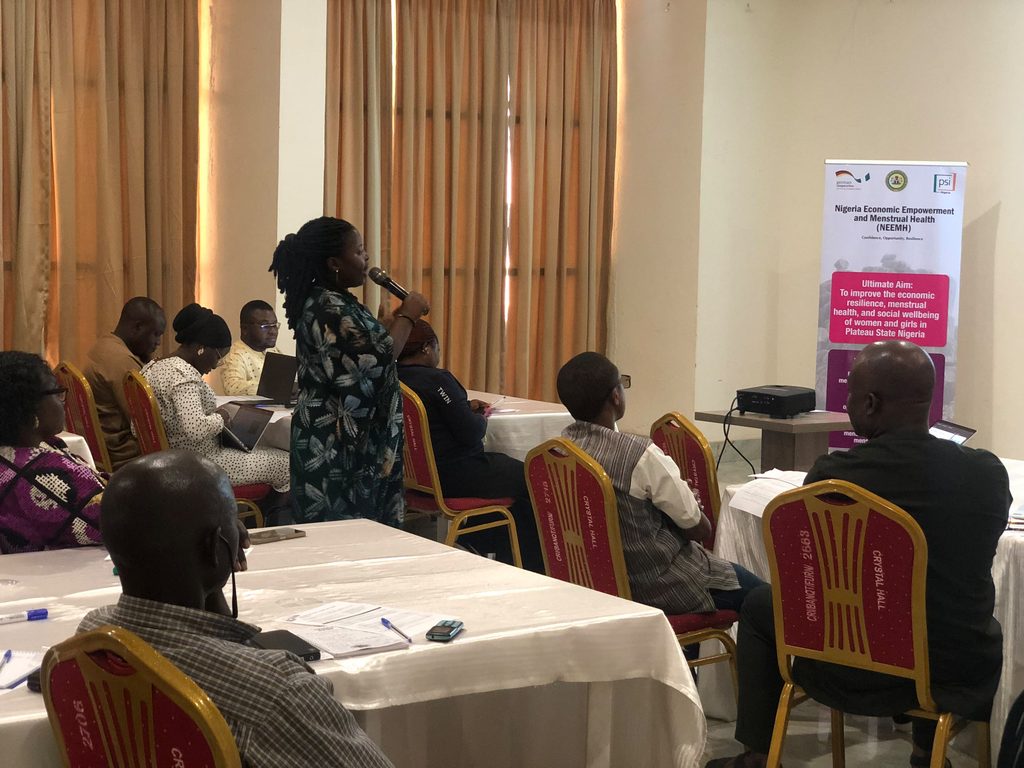
He noted that difficult terrain, insecurity, limited implementation time and pressure from communities not included in the pilot remain some of the challenges confronting the project. But expressed appreciation to PSI-Nigeria, the German Government through GIZ for supporting an intervention that directly address community-level needs.
Earlier in a welcome address, the PSI-Nigeria Country and Regional Director, represented by the organisation’s Operations Director, Ohemu Benson, welcomed stakeholders and partners and appreciated the project’s donors, particularly the German Federal Ministry of Economic Cooperation (BMZ) through GIZ, for their support.
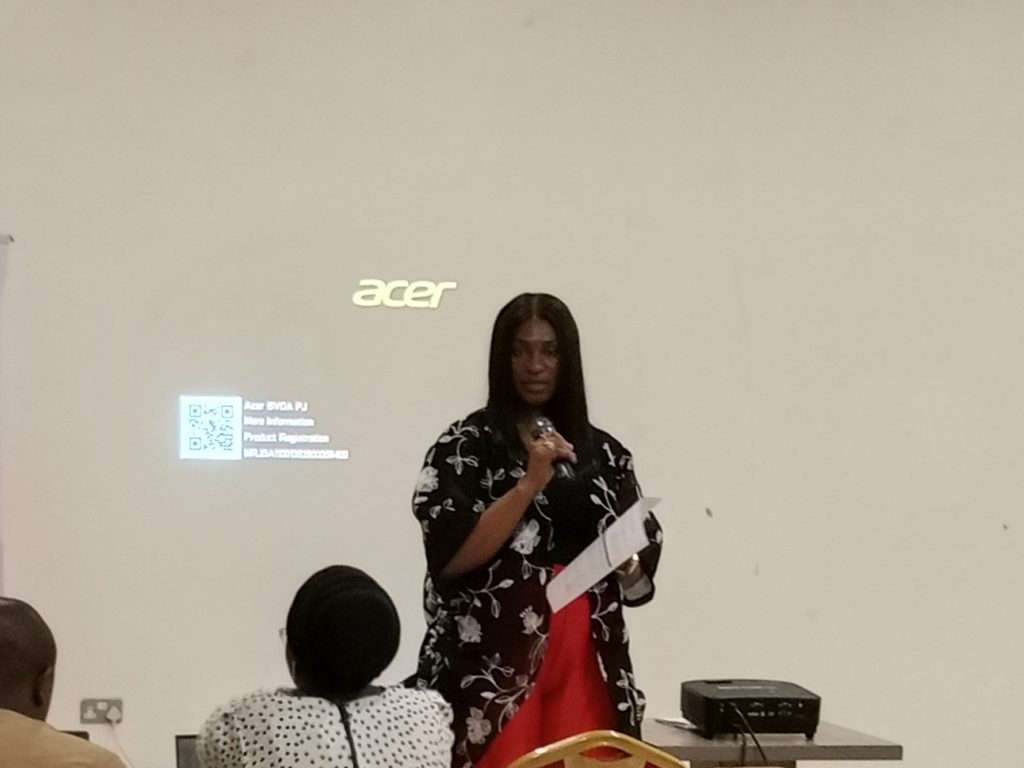
Goodwill messages were also delivered by Umar Yahaya Adam, Junior Technical Advisor, Food Security and Livelihood, GIZ-Peacecore Project, Nigeria, and the Plateau State Commissioner for Women Affairs and Social Development, represented by the ministry’s Permanent Secretary, Rebecca Shase-et. Other presentations were made by Winnifred Kwaknat, Senior Programme Manager, PSI-Nigeria, and other technical specialists from PSI. Stakeholders also reviewed the progress of the NEEMH project and explored ways of sustaining its gains beyond the pilot phase.
About The Author

More Stories
NUJ, Amnesty International Condemn Arrest, Sentencing of Kaduna Journalist
Plateau Assembly Adopts State Police Bill, Adjourns for Recess
Cooperative Federation of Nigeria Tasked To Deepen Impact At 10th National Summit.