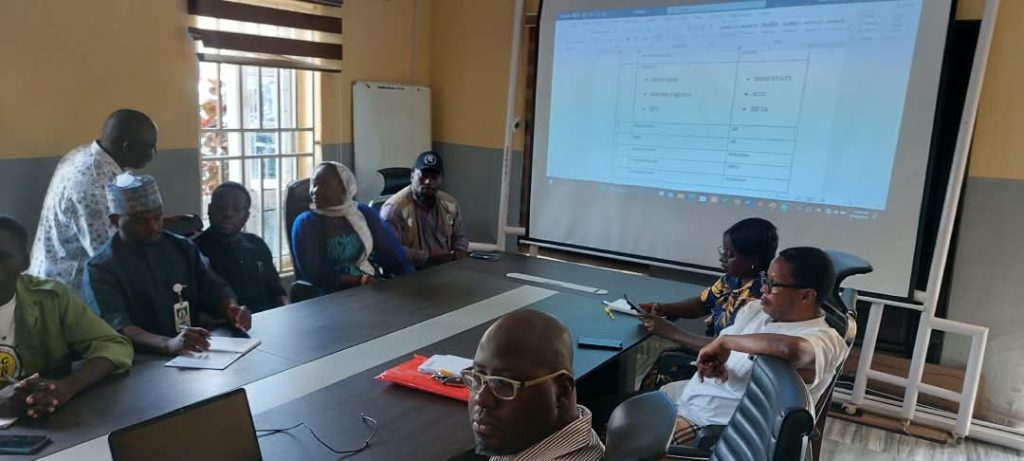
The JSI Research and Training Institute has called on citizens and stakeholders in the state to become champions and ambassadors of the Human Papillomavirus (HPV) vaccine by helping to spread awareness about its safety and importance in protecting the girl child.
Solomon Yashim, State Programme Associate with JSI Research and Training Institute, made the call during an interview on the sidelines of the HPV Technical Working Group Engagement Meeting held at the Primary Health Care Board office in Jos.
Yashim, who has been providing technical assistance on HPV vaccination in the State since 2024, said the vaccine is safe and protects girls from Human Papillomavirus, a virus that can cause serious health complications, including cervical cancer.
According to him, citizens who have adequate knowledge about the vaccine should share the information with people who may not be aware of its benefits, stressing that collective awareness would help improve vaccination acceptance across the state.
“HPV vaccine is safe. It protects the girl child from human papillomavirus,” Yashim said, urging parents and guardians to ensure that their nine-year-old girls are vaccinated.
He explained that the HPV Technical Working Group Engagement Meeting is held quarterly to bring together stakeholders from the Ministry of Education, other government ministries, religious organisations and other relevant groups to discuss strategies for improving HPV vaccination.
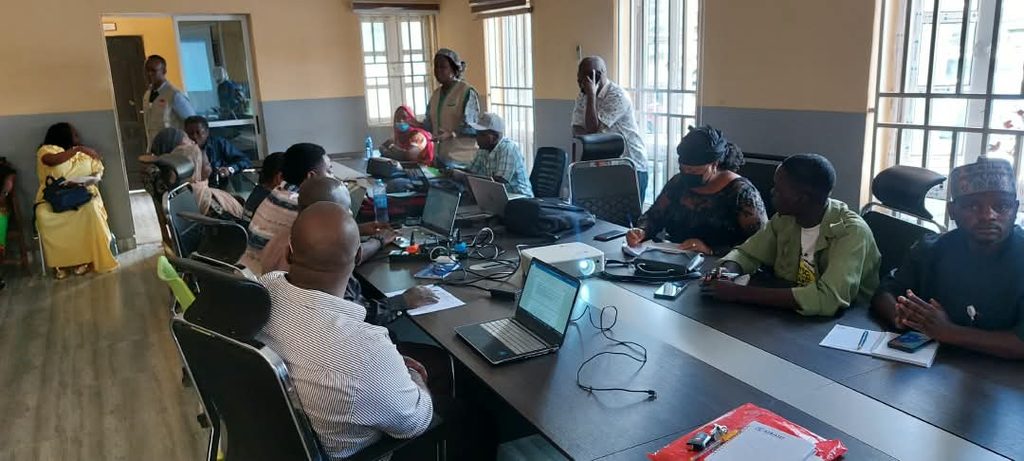
Yashim said the involvement of stakeholders outside the health sector was important because most girls targeted for the HPV vaccination are found in schools, making collaboration with the education sector particularly necessary.
He disclosed that the technical working group also reviews vaccination performance, identifies challenges and discusses the way forward for improving coverage and ensuring that more eligible girls are vaccinated.
Speaking on areas where vaccination performance has been below expectations, Yashim attributed the situation to several possible factors, including vaccine stock-outs, low uptake, inadequate sensitisation and awareness, as well as challenges in the collation of vaccination data from health facilities.
He said some eligible girls might have already been vaccinated, but delays or difficulties in collecting and compiling data from facilities could affect reported performance figures.
The JSI official added that insecurity and logistics challenges also affect access to some communities, particularly areas experiencing crises, despite having eligible girls who need to be vaccinated.
He further identified parental consent as another challenge, explaining that nine-year-old girls depend on their parents or guardians for permission before receiving the vaccine, while access to some schools can also be affected by parental concerns.
Yashim, however, said the challenges were gradually being addressed through continued engagement with stakeholders and efforts to improve vaccination uptake in the affected local government areas.
He urged citizens to play their part by becoming HPV vaccine champions and ambassadors in their communities, saying that increased awareness and accurate information would help dispel myths and misconceptions surrounding the vaccine.
He called on parents and guardians to take their nine-year-old girls for HPV vaccination, stressing that vaccination remains an important measure for protecting them from HPV-related diseases.
About The Author





More Stories
Plateau Activates Incident Management System as Diphtheria Cases Rise to 469
Health Experts, Stakeholders Back Plateau Surrogacy Regulation Bill
PSI-Nigeria Commends CSOs for Impactful Implementation of NEEMH Project in Plateau.