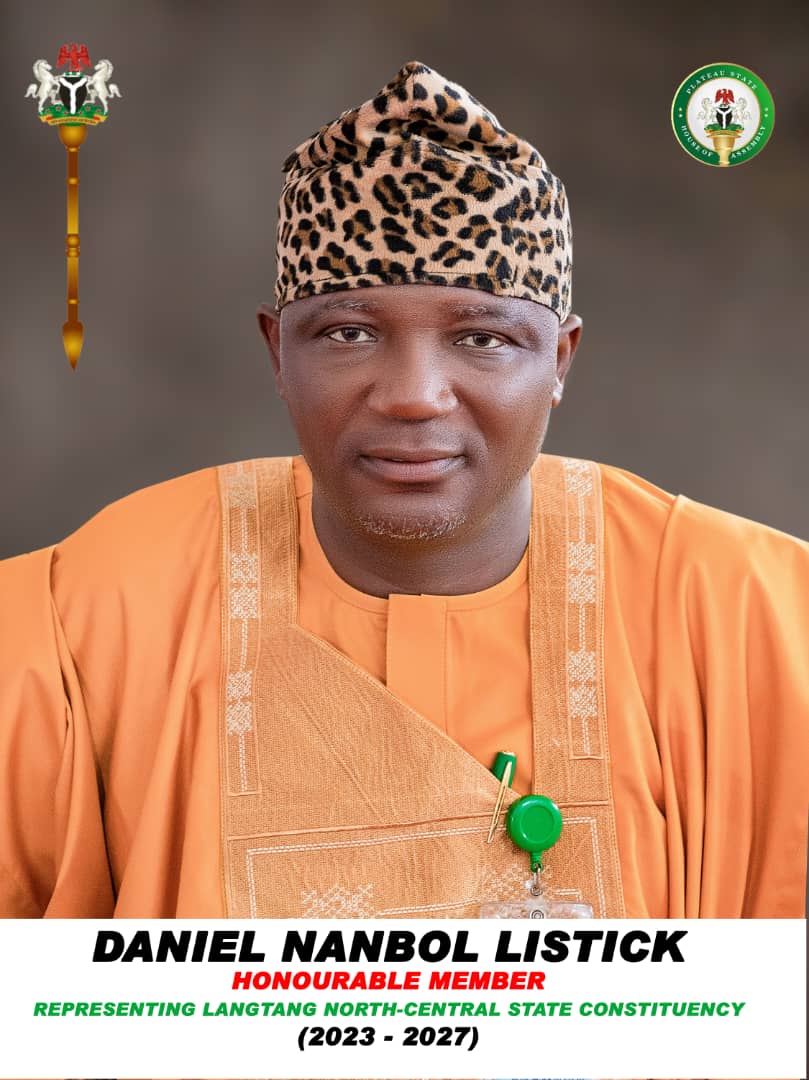
Pastor Daniel Nanbol Listick has called on Nigerians, particularly Christians, to use language as an instrument of unity, peace, cultural preservation and the proclamation of the Gospel, warning against its misuse to promote tribalism, hatred, deception and division.
Listick made the call while delivering a keynote paper titled “Language: A Blessing or a Curse?” at the 2026 Cultural Day Celebration and fundraising organised by the Students’ Union Body (SUB) of the Theological College of Northern Nigeria (TCNN), Bukuru, Jos, Plateau State, on Friday.
The event which was held at the college auditorium, was organised to raise ₦20 million for the completion of the SUB Secretariat and the renovation of students’ hostels, while celebrating Nigeria’s rich cultural and linguistic diversity.
In his presentation, Listick described language as one of humanity’s most profound gifts from God, serving as a means of divine revelation, cultural expression, community identity and communication between individuals and societies.
He explained that language was not merely a human invention but a divine instrument through which God revealed Himself, established relationship with humanity and communicated His redemptive plan, citing the biblical account of creation in Genesis 1:3, where God declared, “Let there be light.”
According to him, the diversity of languages represented among Nigerians, including Jukun, Tiv, Hausa, Tangale, Berom, Tarok, Ngas, Yoruba, Igala, Benin, Ijaw and Fulfulde, reflects the richness of the country’s cultural heritage and should be appreciated rather than used as a basis for discrimination.
The cleric noted that mother tongues preserve the histories, oral traditions, wisdom, values and identities of communities, stressing that indigenous languages deserve protection and promotion. He also made reference to the annual International Mother Language Day, observed every February 21, as a reminder of the need to celebrate linguistic diversity and preserve native languages.
However, Listick warned that language could become destructive when influenced by pride, selfishness, ethnic prejudice and other manifestations of human sinfulness.
Reading from the biblical account of the Tower of Babel in Genesis 11:1–9, he explained that communication, when separated from godly values, could be manipulated to advance selfish ambitions and create divisions within society.
He expressed concern over the use of language to fuel ethnic and religious conflicts, manipulate political sentiments, spread falsehoods and dehumanise members of other communities, particularly in Nigeria and other parts of Africa.
He also cautioned religious leaders against using the pulpit to spread false doctrines, engage in destructive gossip or promote personal and ethnic interests.
Listick urged theological institutions, pastors, scholars and church leaders to become responsible custodians of language by promoting mother-tongue theology, peaceful coexistence and reconciliation across ethnic and cultural boundaries.
He cited the biblical account of Pentecost in Acts 2:1–12, and noted that the Holy Spirit enabled people from different linguistic backgrounds to hear the message of God in their respective languages rather than eliminating their differences. He said the account demonstrated that linguistic diversity could serve as a means of communicating the Gospel and bringing people together.
Listick further called on Christians to ensure that their speech reflects truth, grace and love, as instructed in Colossians 4:6, which encouraged believers to let their conversation be gracious and seasoned with salt.
He urged the Church to use language to build relationships, mediate conflicts, challenge injustice and heal divisions within communities.
Beyond the theme of cultural celebration, the keynote speaker urged Christians to embrace civic responsibilities and contribute actively to national development. He called for participation in Permanent Voter Card registration, birth registration and National Identification Number registration, citing relevant biblical passages to emphasise the importance of responsible citizenship.
He also encouraged Christians to plant economic trees, avoid bush burning, pay taxes, support revenue generation, promote children’s education and contribute to environmental protection and economic development.
Summarising these responsibilities, he introduced the expression “PURE3,” representing peace, unity, righteousness, entrepreneurship, economic development, education and environmental care.
The speaker also stressed that security is a collective responsibility, urging citizens to remain vigilant and contribute to the safety of their communities. He maintained that Christians should combine their spiritual commitments with practical actions that promote peaceful coexistence, responsible governance and sustainable development.
Listick concluded that language remains a blessing when used to honour God, preserve cultural heritage, promote reconciliation and proclaim the Gospel, but becomes a curse when employed to advance hatred, tribalism and deception.
About The Author

More Stories
Kingdom Heritage Model School Urges Parents to Preserve Indigenous Languages
KKU to Establish Medicine, Law Faculties, Partners Lightbearer Newspaper
UNIJOS Pledges Support for Karl Kumm University